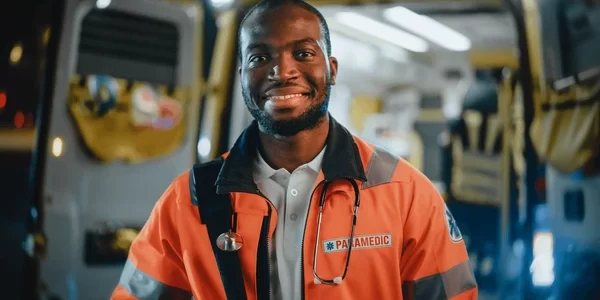
The Need for First Aid Responders and Medical Care at Event Venues (Part1)
Recent tragic incidents at events across Nigeria have tragically highlighted the critical need for adequate first aid and medical care at all event venues. While joyous occasions should be celebrated, the safety and well-being of attendees must remain paramount.
Why is this crucial?
- Unforeseen Emergencies
Accidents are unpredictable and events, by their very nature, involve gatherings of people, often nearby. This increases the likelihood of accidents. Slips, trips, and falls are common, especially in crowded areas or on uneven surfaces. Guests may experience sudden health emergencies, such as:
Heart attacks: Stress, excitement, and even exertion can trigger cardiac events.
Strokes: These can occur suddenly and require immediate medical attention.
Seizures: Individuals with epilepsy or other conditions may experience seizures.
Severe allergic reactions: Food allergies can lead to life-threatening anaphylaxis.
Heatstroke or exhaustion: Prolonged exposure to heat or strenuous activity, especially during outdoor events, can cause these conditions.
Diabetic emergencies: People with diabetes may experience hypoglycaemia (low blood sugar) or hyperglycaemia (high blood sugar).
- Crowd crushes and stampedes
In large gatherings, the dynamics of a crowd can quickly shift. Panic, unexpected events like loud noises, or even the simple movement of a large group of people can create a surge, where individuals are pushed and trampled. These situations can quickly become dangerous, leading to:
Suffocation: When people are tightly packed, they may be unable to breathe properly.
Traumatic injuries: Broken bones, crushed limbs, and internal injuries are common.
Head and neck injuries: Falls and impacts can cause severe head trauma.
Psychological trauma: The experience of a crowd crush can be deeply distressing and have long-lasting psychological effects.
Preventing and mitigating crowd crushes requires careful planning and crowd control measures:
Proper venue design: Adequate entry and exit points, clear pathways, and sufficient space are crucial.
Crowd management: Trained personnel to monitor crowd density, guide movement, and intervene in potentially dangerous situations.
Emergency exits: Clearly marked and easily accessible emergency exits are essential for rapid evacuation.
Communication systems: Effective communication systems to warn of potential dangers and provide clear instructions to the crowd.
- Intoxication
Overconsumption of alcohol can lead to a range of health problems, including:
Dehydration: Alcohol is a diuretic, meaning it increases urine production, leading to dehydration. Dehydration can cause headaches, dizziness, and in severe cases, seizures or even death.
Alcohol poisoning: This occurs when a person consumes alcohol so quickly that their body can’t process it fast enough. Symptoms include confusion, vomiting, seizures, slow breathing, and loss of consciousness. Alcohol poisoning can be fatal.
Injuries: Intoxicated individuals are more likely to experience falls, injuries from fights, and other accidents due to impaired coordination and judgment.
Increased risk of other health problems: Excessive alcohol consumption can worsen existing health conditions and increase the risk of long-term health problems like liver disease and heart disease.
These unforeseen emergencies can occur at any time and can have serious consequences. The presence of trained first aid responders and readily available medical care can significantly improve the chances of a positive outcome for those affected.
- Time is of the essence
In medical emergencies, every second counts. Prompt first aid and medical care can significantly improve the chances of survival and minimize the severity of injuries.
Cardiac arrest: In cases of cardiac arrest, immediate CPR and defibrillation can significantly increase the chances of survival.
Stroke: prompt recognition and treatment of stroke symptoms can help minimize brain damage.
Severe bleeding: Rapid control of severe bleeding can prevent significant blood loss and shock.
Traumatic injuries: immediate stabilization of fractures, spinal injuries, and other traumatic injuries can prevent further complications.
The presence of trained first aid responders and medical personnel at events ensures that immediate medical attention can be provided, significantly increasing the likelihood of positive outcomes in emergency situations.
- Guest Confidence
Knowing that proper medical assistance is readily available can significantly enhance the guest experience and provide peace of mind. When guests feel safe and secure, they can fully enjoy the event. The presence of visible first aid stations and trained personnel communicates to guests that their safety is a priority. This can be particularly important for families with young children or guests with pre-existing medical conditions. Knowing that help is available in case of an emergency can reduce anxiety and allow guests to relax and enjoy the event without worry. By demonstrating a commitment to guest safety, event organizers can build trust and enhance the overall event experience.
- Legal and Ethical Obligations
Event organizers have a legal and ethical responsibility to ensure the safety and well-being of their guests. In the event of an injury or death at an event, organizers can be held legally liable if they fail to take reasonable steps to ensure guest safety. This can include providing adequate medical care and first aid. Organizers have a moral obligation to prioritize the safety and well-being of their guests. This includes taking proactive steps to prevent accidents and ensure that appropriate medical care is available in case of an emergency. Negligent safety practices can damage an organizer’s reputation and negatively impact future business prospects.
By fulfilling their legal and ethical obligations, event organizers can protect themselves from potential legal repercussions and maintain a positive public image.